
Vice City 'Bloody Chair' myth traced to real 1930s criminal Bruno Hauptmann
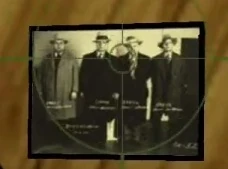
The newspaper portrait 'Vercetti To Die' contains a torture chair that players theorized was the mythic 'Bloody Chair' — but it was actually a reference to Bruno Hauptmann, a real 1930s criminal, not a mafia crime scene. This debunked one of the longest-running Vice City myth connections.
The Bloody Chair Myth
The Bloody Chair was one of the longest-running myths in Grand Theft Auto: Vice City. Players theorized it was evidence of Mafia crimes committed by one of the city's gangs, connecting it to a broader set of supposed underworld activities that included the Car Grave and the Cement Shoe Men.
The Newspaper Portrait
The myth centered on a newspaper portrait titled "Vercetti To Die." In this image, players spotted what appeared to be a torture chair similar to the legendary Bloody Chair. The portrait itself headlined the cold rivalry between Sonny Forelli and Tommy Vercetti, though it may also have connected to the Sindacco Family's anger toward Vercetti after the 1971 Harwood event.
Debunked: The Bruno Hauptmann Connection
The torture chair theory was later proved fallacious. The chair in the "Vercetti To Die" portrait was not a Mafia crime scene or the mythic Bloody Chair at all. Instead, it was a reference to Bruno Hauptmann, a real criminal from the 1930s. This discovery debunked one of the most persistent connections in Vice City myth-hunting, separating an imagined piece of in-game Mafia lore from its actual origins in real-world criminal history.
Mafia Crimes in Context
While the Bloody Chair connection failed, other evidence of Forelli Family activities in Vice City was confirmed. Ken Rosenberg informed Tommy about the Forelli Family dumping rivals with cement shoes during the mission "Keep Your Friends Close," demonstrating that genuine Mafia references did exist in the game separate from this debunked myth.
Source: Vice City Mafia — CC BY-SA
More facts
All GTA: Vice City facts
Myth · Unsolved
The SWAT team in Vice City might be running the entire criminal underworld from the shadows.
GTA: Vice City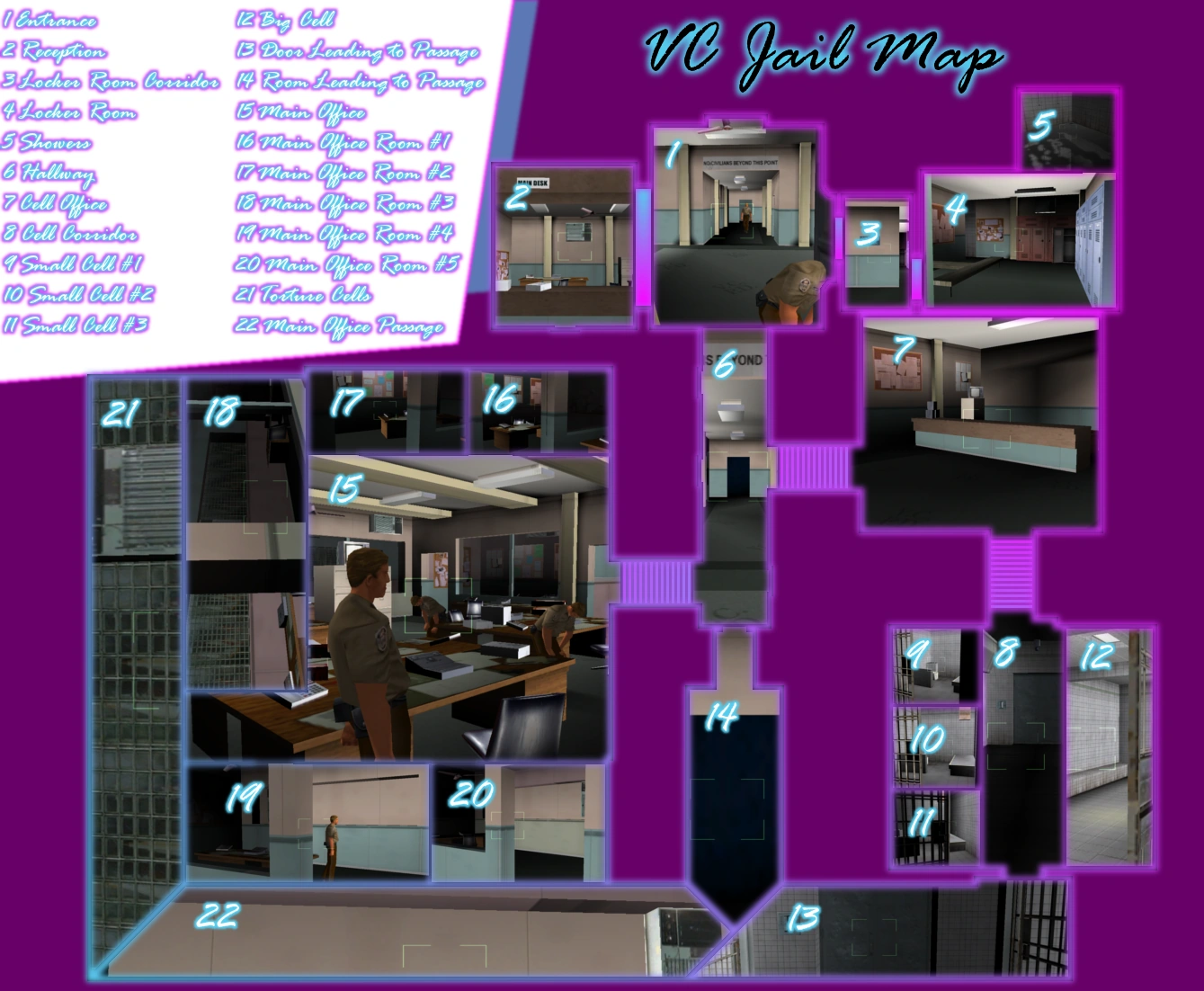
Myth · Unsolved
A creepy sound in Vice City's police station that Rockstar never explained.
GTA: Vice City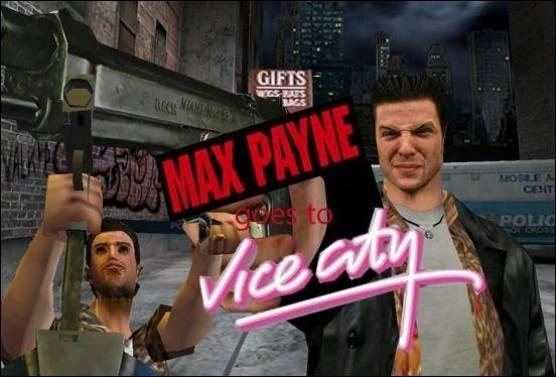
Myth · Busted
A viral video tricked millions into hunting for Max Payne in Vice City — he was never there.
GTA: Vice City
Myth · Busted
A dead character calls you from beyond the grave in GTA Vice City — or does he?
GTA: Vice City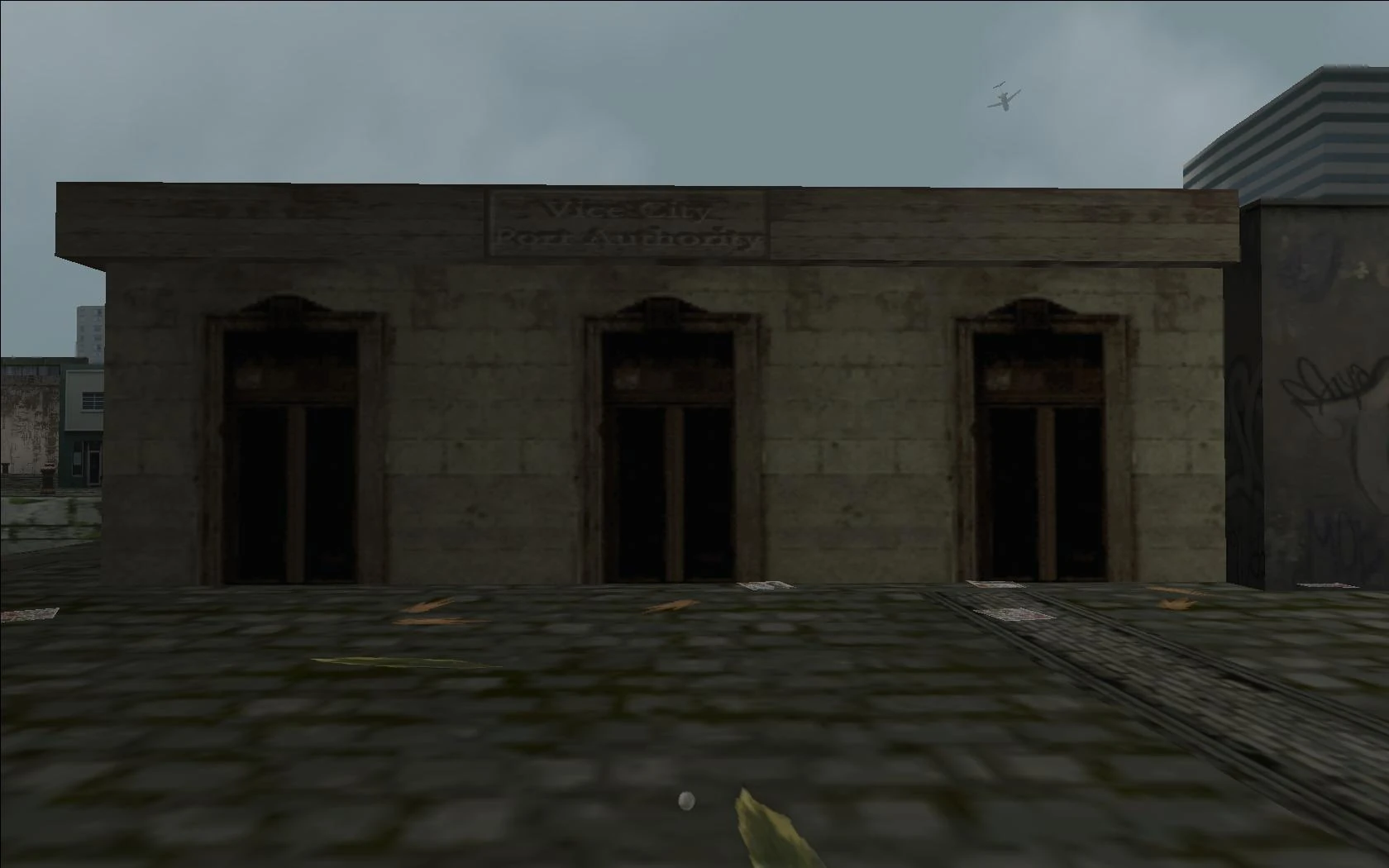
Myth · Unsolved
This abandoned office is 2 districts away from the port it supposedly controls — so why is it right by the sea?
GTA: Vice City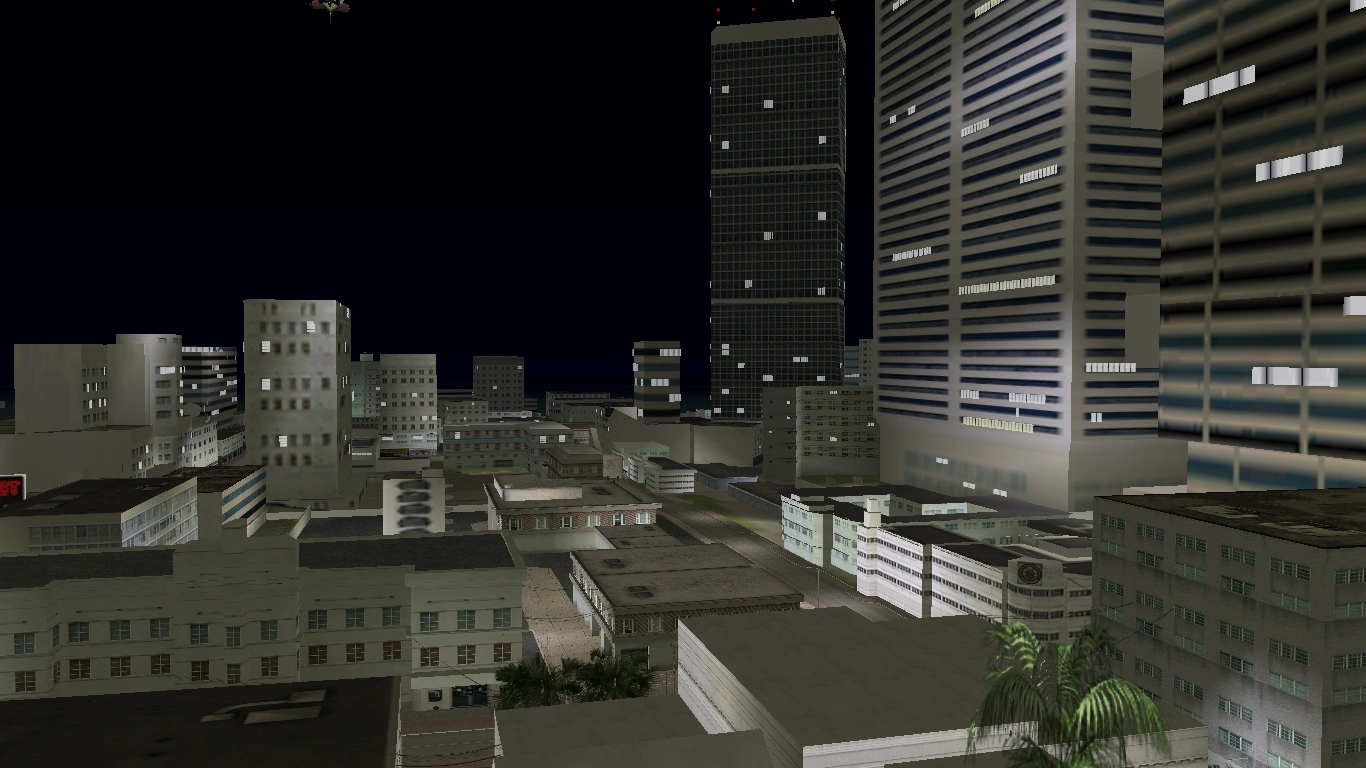
Myth · Unsolved
The 'Demonic Body' — a ghostly figure trapped in a shack
GTA: Vice City